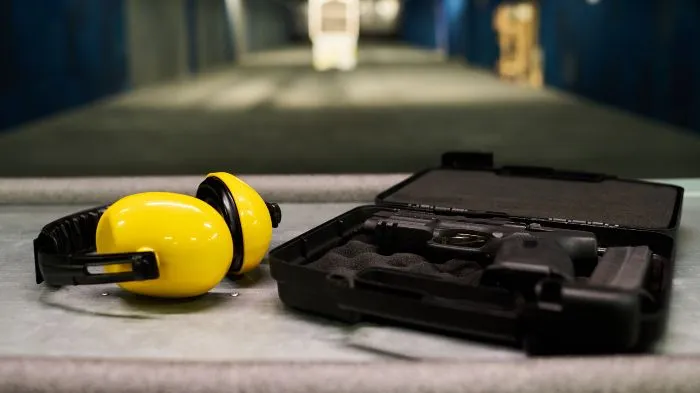
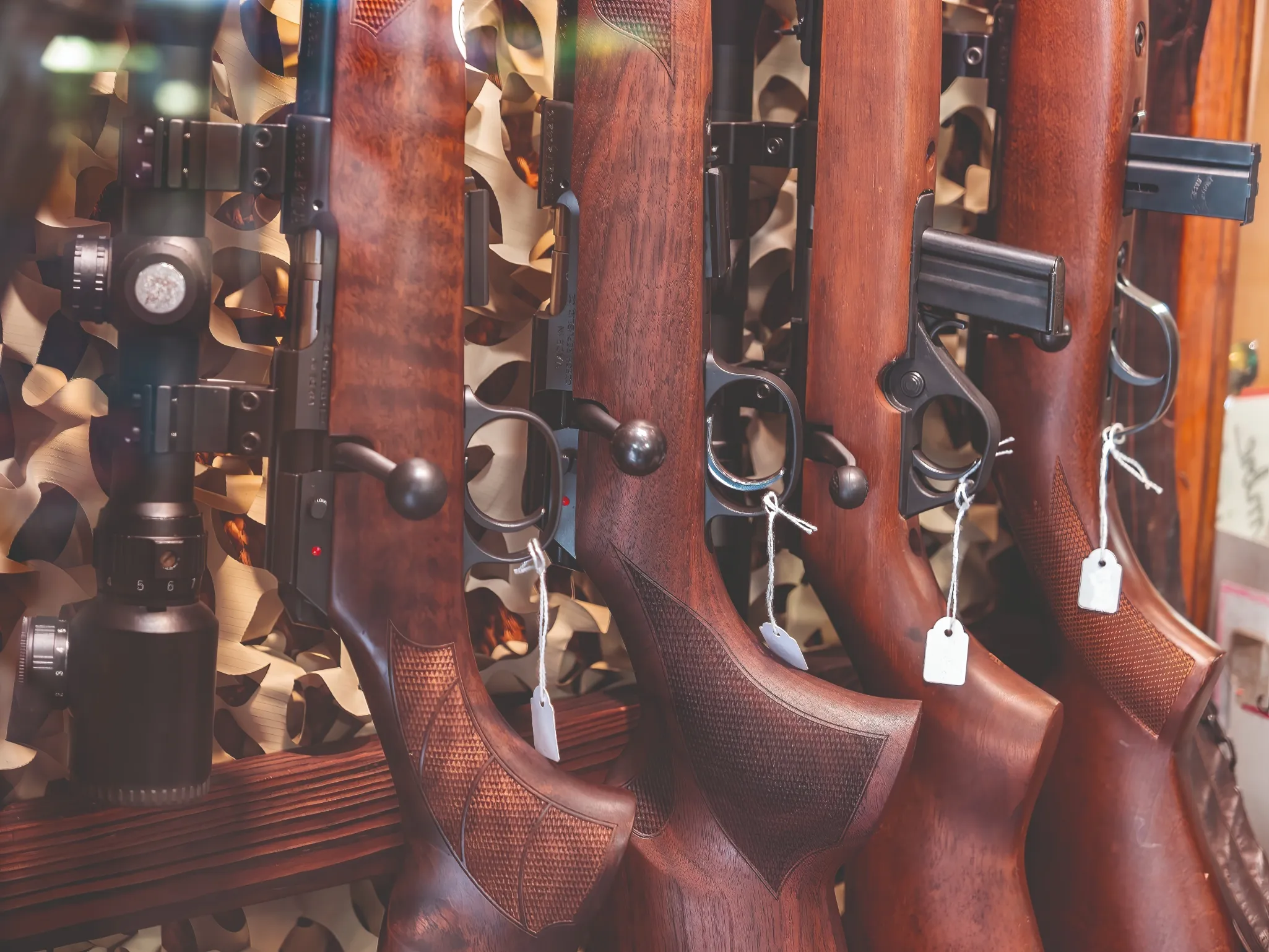
For shooting ranges, retail gun shops, and shooting clubs, insurance isn’t just a regulatory requirement – it’s a core part of running a safe, compliant, and resilient business. As your activities, membership, stock levels, and facilities evolve, your insurance should evolve with them.
An annual insurance health check helps ensure your policy still reflects the way your organisation operates today. Here are the key areas to review before renewal.
-
Your firearms and stock inventory
For ranges and retail shops, stock levels can fluctuate throughout the year. Before renewal, review:
- Firearms held in stock
- Ammunition quantities
- Accessories, optics, and high‑value items
- Demo or loan equipment
- Items stored off‑site or in transit
Accurate valuations help ensure you’re properly protected against theft, fire, or accidental damage.
-
Your facilities and equipment
Your premises and equipment form the backbone of your operation. Check whether anything has changed:
- Range layouts or upgrades
- New safety systems or barriers
- Ventilation or noise‑control improvements
- CCTV or security enhancements
- New retail displays or storage units
Any improvements may reduce risk – and any expansions may require updated cover.
-
Public liability and member/visitor safety
Shooting clubs and ranges welcome a variety of participants, from beginners to experienced shooters. Review whether your liability limits still feel appropriate, especially if:
- Membership numbers have increased
- You host competitions or events
- You offer supervised shooting for newcomers
- You run training courses or coaching sessions
Higher limits can offer valuable protection for organisations with growing footfall.
-
Employer’s liability and volunteer cover
If you employ staff – or rely on volunteers – make sure your policy reflects:
- Current staffing levels
- Roles and responsibilities
- Any new instructors, range officers, or part‑time workers
- Volunteer involvement in events or maintenance
Accurate details help ensure everyone on site is properly protected.
-
Security and storage compliance
Security is a critical part of your insurance position. Renewal is a good time to confirm that your arrangements still meet policy conditions:
- Alarm systems and monitoring
- Secure storage for firearms and ammunition
- Out‑of‑hours procedures
- Transport arrangements for stock or club firearms
If you’ve upgraded your security, it may positively impact your cover.
-
Activities and services offered
Many ranges and clubs expand their offerings over time. Consider whether you now provide:
- Coaching or instruction
- Corporate events or experience days
- Retail sales alongside range use
- Gunsmithing or repairs
- Equipment hire
Each activity carries different risks – and your policy should reflect them.
-
Business interruption and income protection
For ranges and shops, a temporary closure can have a significant financial impact. Review whether your cover still aligns with:
- Current turnover
- Seasonal fluctuations
- Event or competition income
- Retail sales volume
Ensuring the right level of business interruption cover can make recovery far smoother if the unexpected happens.